
Back
Back pain
Low back pain that comes with sitting, lifting or a long drive, with or without leg pain.
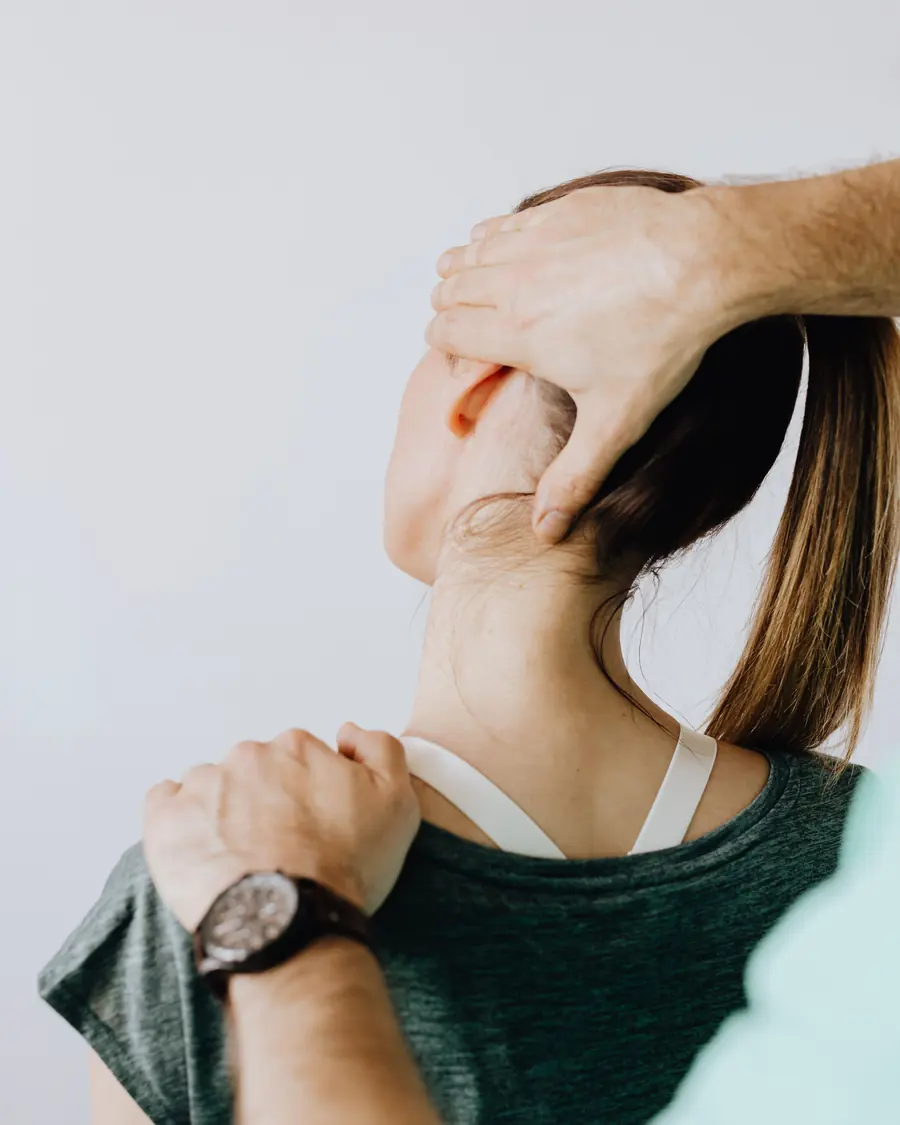
Photograph: Yan Krukau, Pexels
In one paragraph
Most low back pain is mechanical: joints, discs and muscles that have been loaded badly or too long, with or without pain into the leg. Physiotherapy assesses what eases it and what provokes it, treats the stiff or irritated parts, and builds the strength and habits that keep it from returning.
What you may notice
- 01
Worse with sitting, driving or bending forward; better walking.
- 02
Stiff first thing, loosening through the morning.
- 03
Pain, pins and needles or numbness running into the buttock or leg.
- 04
Episodes that keep returning, each a little longer.
The first visit
What is looked at
Movement in each direction, nerve tests for the legs, strength of the hips and trunk, and a look at how you sit, lift and sleep; most people leave the first visit with two or three movements that help.
Treatment
What is done
Mobilisation or manipulation where a segment is stiff, directional exercises where a disc is irritated, then graded strength and endurance work; the goal is a back that tolerates your life.
See a doctor first if
Numbness around the saddle area, difficulty passing urine, weakness in both legs, fever or unexplained weight loss need a doctor immediately.
The range in question
The textbook full range for a healthy joint, the figure the assessment measures you against.
Questions
Do I need an MRI?
Usually not; most disc changes on scans are found in people with no pain. Imaging is asked for when nerve signs are marked or the picture does not improve as expected.
Should I rest in bed?
No. Two days of bed rest slow recovery; staying gently active within pain is the first treatment.


Book a visit