
Treatment
Assessment
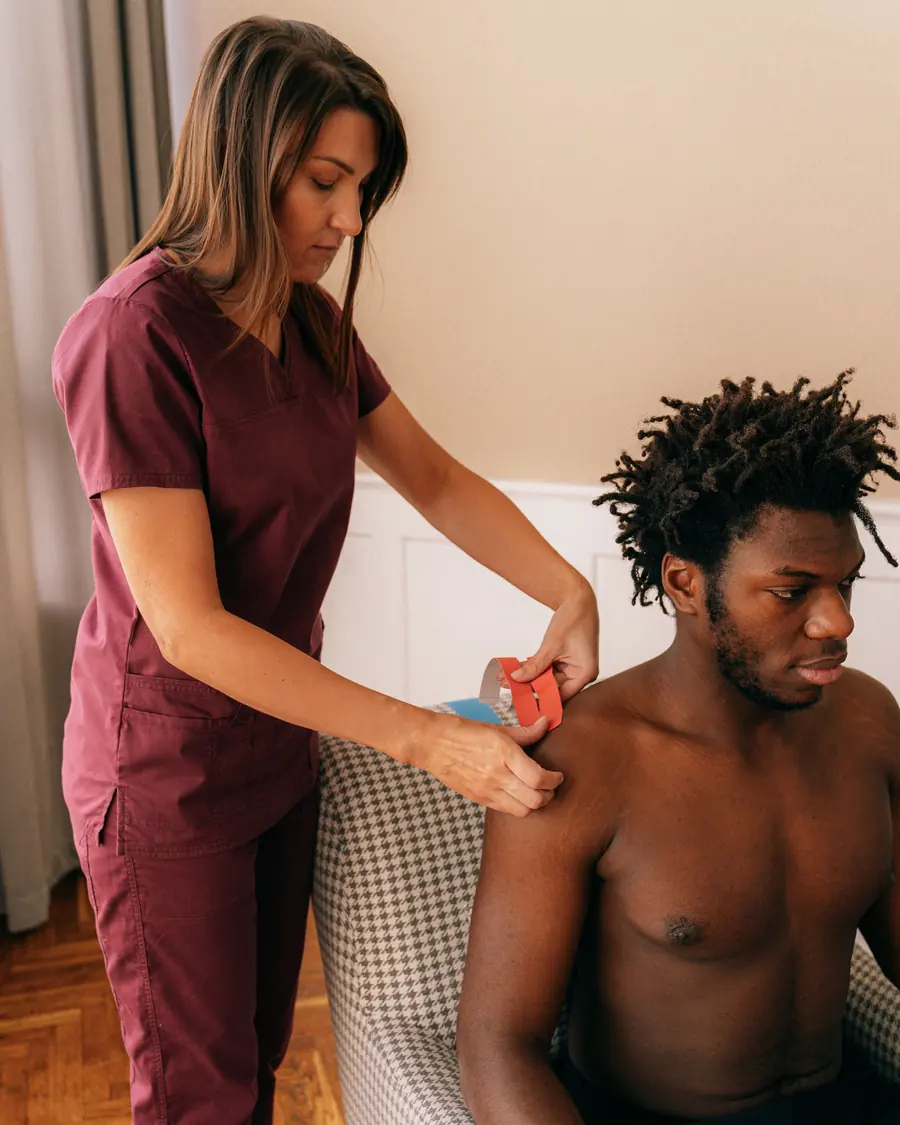
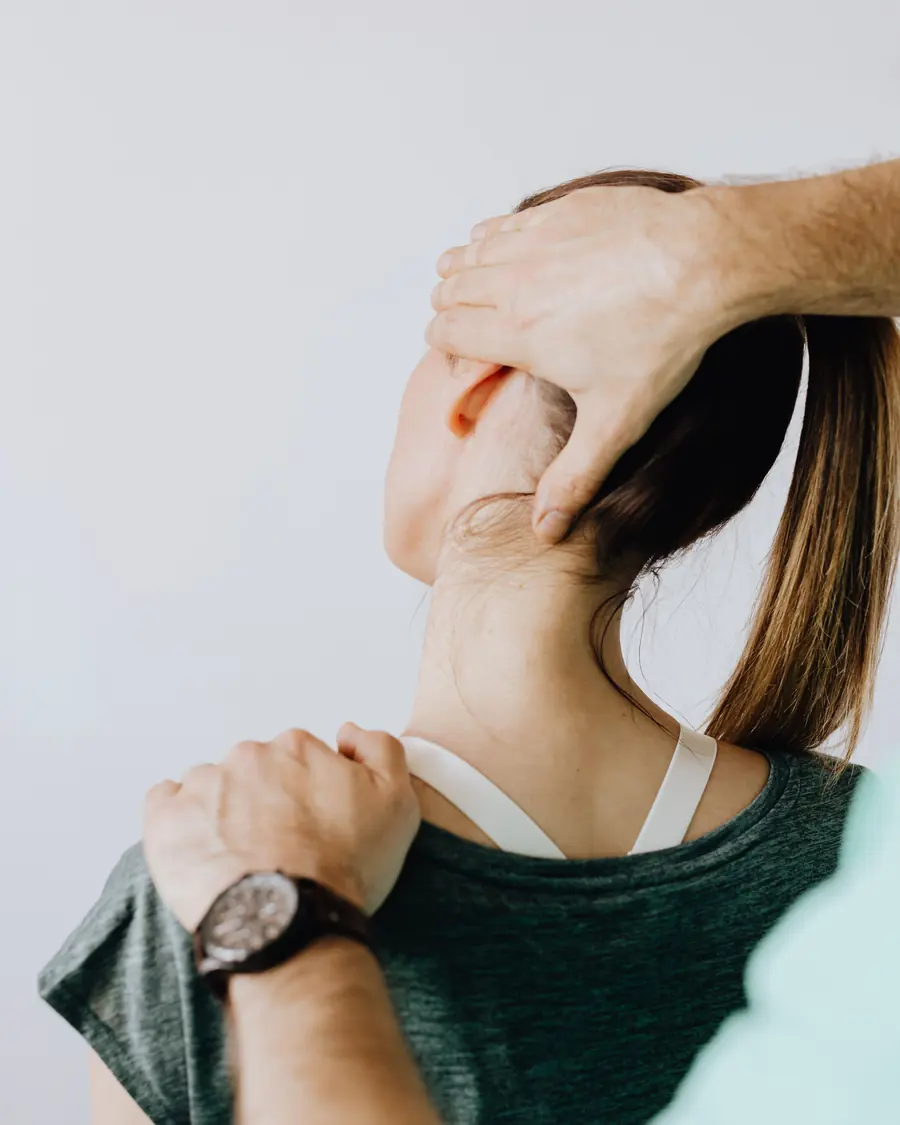
A proper look before anything is treated: history, movement, strength, the joint measured.
Photograph: kaboompics.com, Pexels
In one paragraph
Every course of physiotherapy starts with an assessment: your story, then a physical examination that measures what the problem has taken away. Joint range is measured in degrees with a goniometer, strength and control are tested, and nerve signs are checked. The result is a named problem and a plan with a way to measure progress.
How it goes
- 01Your story
When it started, what it stops you doing, what makes it better or worse, what you have tried, what the reports say.
- 02Looking and measuring
Posture, how you move, each joint’s range in degrees, strength, balance and the nerve tests the problem calls for.
- 03A name and a plan
What the problem most likely is, what will be done about it, how many visits it is likely to take, and what to do at home.
- 04Something to measure
A range, a distance, a time or a task, re-measured at each visit so progress is seen, not assumed.
What to expect
Wear loose clothes and bring any reports. Treatment usually starts in the same visit.
Questions
Do I need scans before the assessment?
No. Bring what you have; the examination decides whether imaging is needed.
How long does the first visit take?
Longer than a follow-up; the clinic tells you the expected time when you book.



Book a visit